Briony Callahan
Operated a boutique studio in Melbourne for floristry class 11 years. Designed arrangements for over 200 weddings and supplied weekly installations to corporate clients across the CBD.

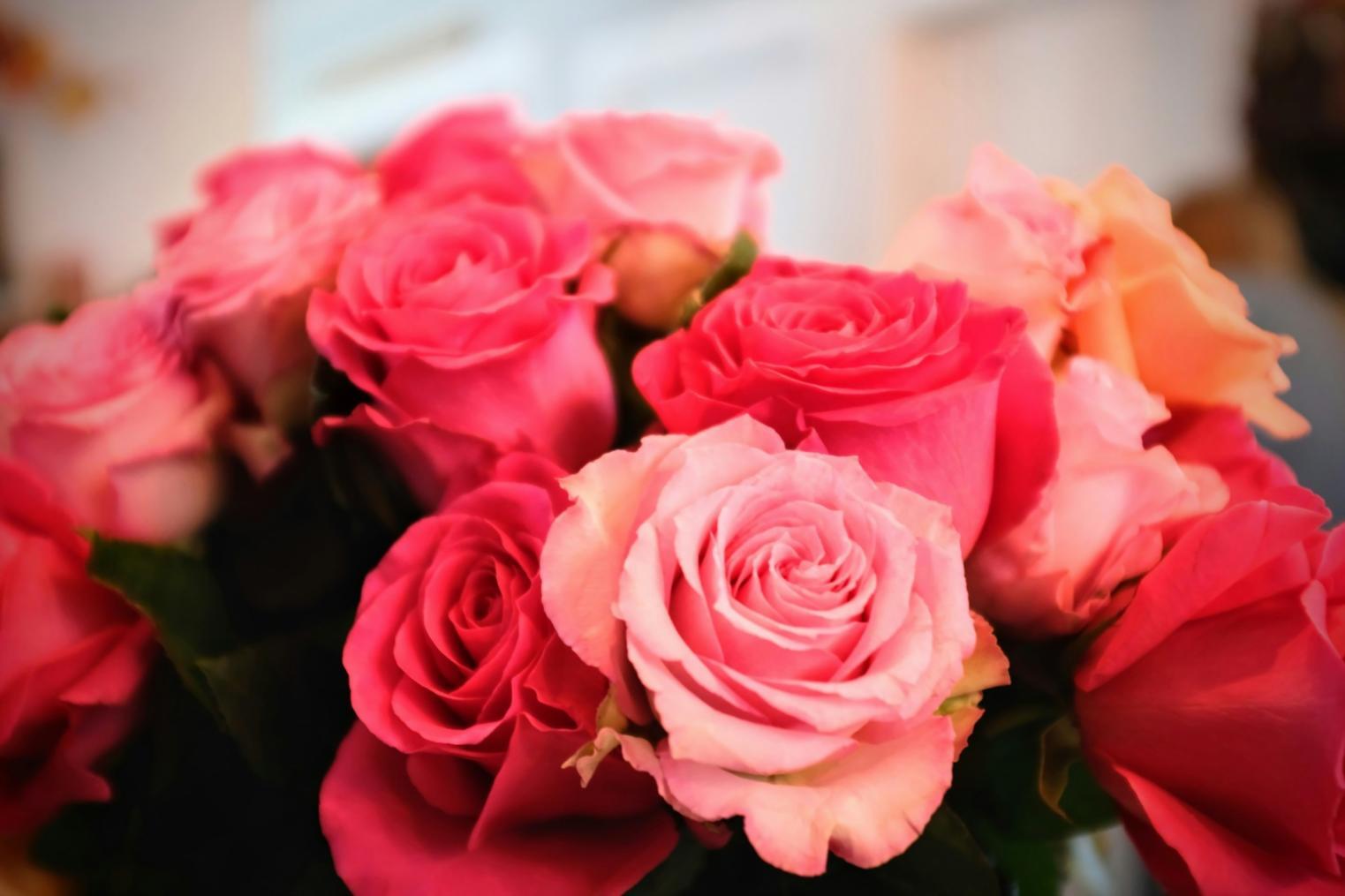
Most people think flower flower arranging courses arrangement requires years of training. It requires structure, observation, and willingness to work with what each stem naturally offers.
This webinar series walks you through the decisions professional florists make every day — from selecting stems to balancing proportion in mixed arrangements.

Operated a boutique studio in Melbourne for floristry class 11 years. Designed arrangements for over 200 weddings and supplied weekly installations to corporate clients across the CBD.
Trained at the Sydney Flower School and worked with leading event florists. Now teaches design fundamentals and seasonal arrangement techniques to beginners and intermediates.
Fegelo collaborates with Australian Floral Association members and local growers to keep course content aligned with current industry standards.
Graduates have gone on to open studios, supply local markets, and work as freelance designers for events across Canberra and surrounding regions.
Founded in 2019, the platform has floristry course become a reference point for accessible floral education in the ACT, with sessions regularly attended by participants from interstate.
Participants enrolled since launch
Live sessions delivered this year
Completion rate across all courses
Average hours per participant
The ability to assess proportion without measuring. Understanding which stems hold up in arrangements and which collapse within hours. Knowing how to adjust colour balance when your first choice is unavailable.
These are not skills that expire. They apply whether you are arranging flowers for your dining floral design table or preparing installations for a client event.
Participants leave with a working vocabulary for describing what they see in professional arrangements and a set of repeatable techniques for building their own.
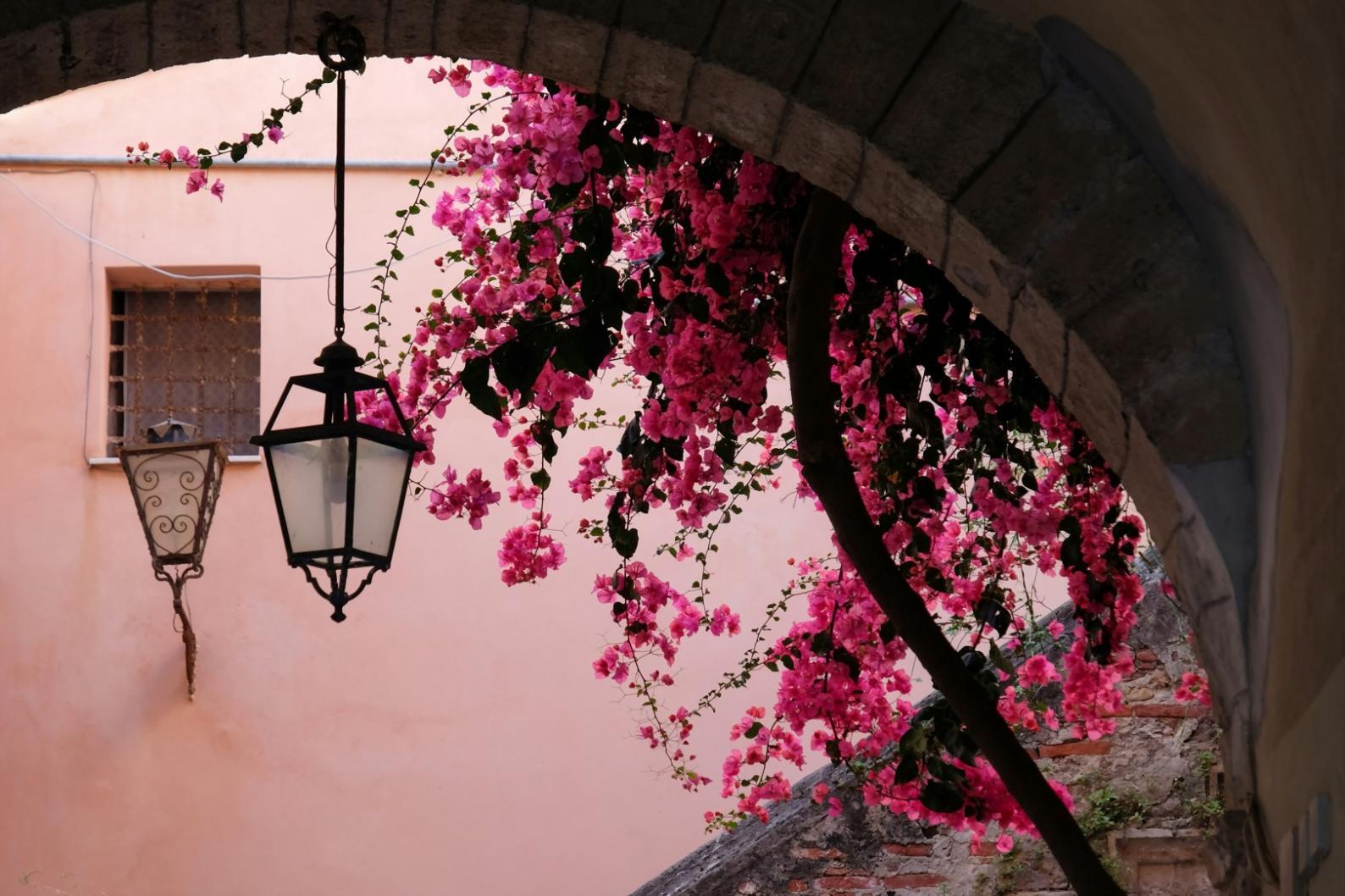
Watch each step unfold in real time with overhead camera angles and close-up shots of hand positioning.
Submit photos of your work during sessions and receive specific comments on structure and balance.
Receive detailed shopping guides before each session so you can source stems locally and follow along.
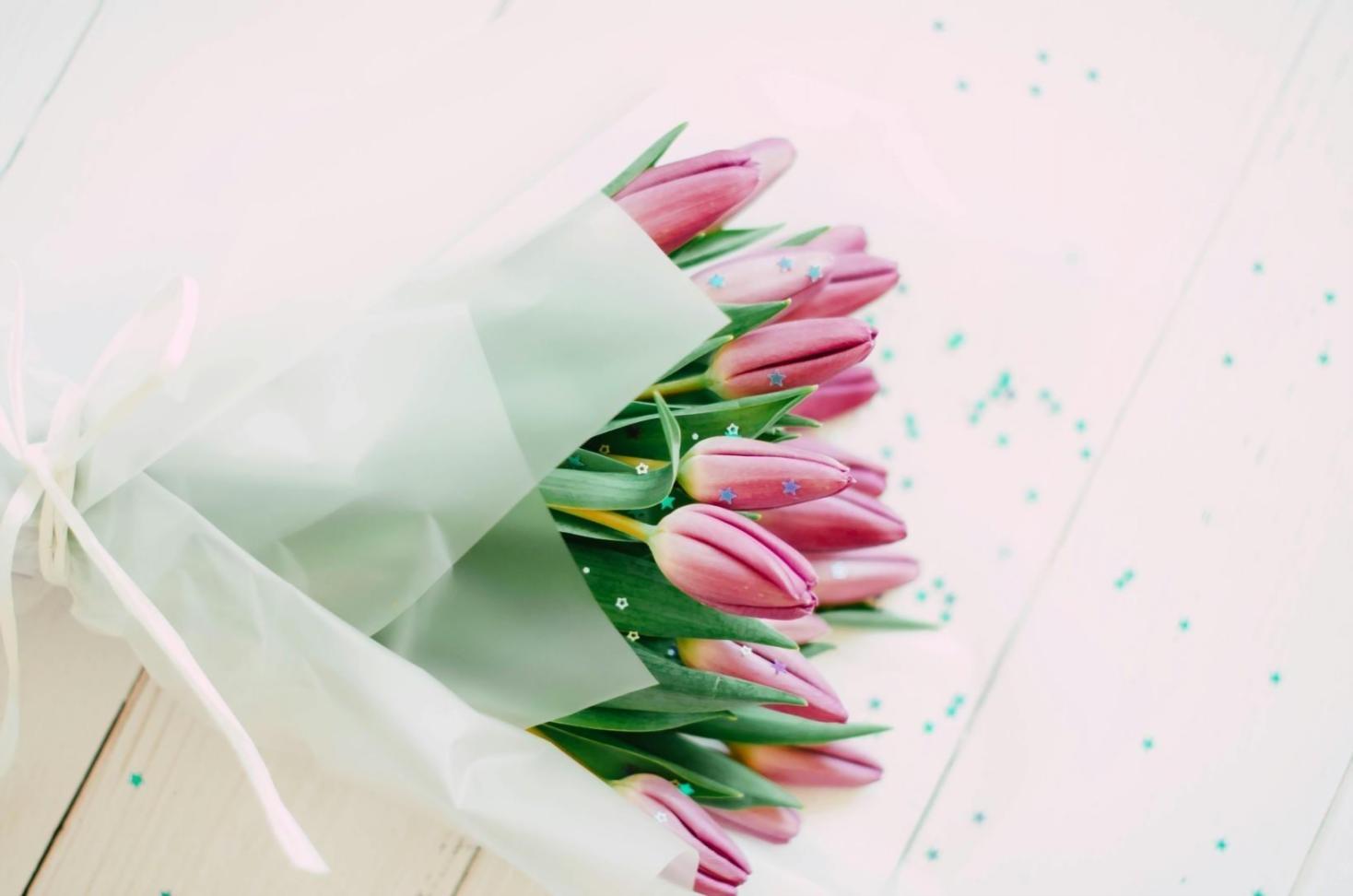
Content adjusts to what is available in Australian markets each quarter, not what looks good in stock photography.
Sessions are capped at 18 participants so instructors can respond to individual questions without rushing.
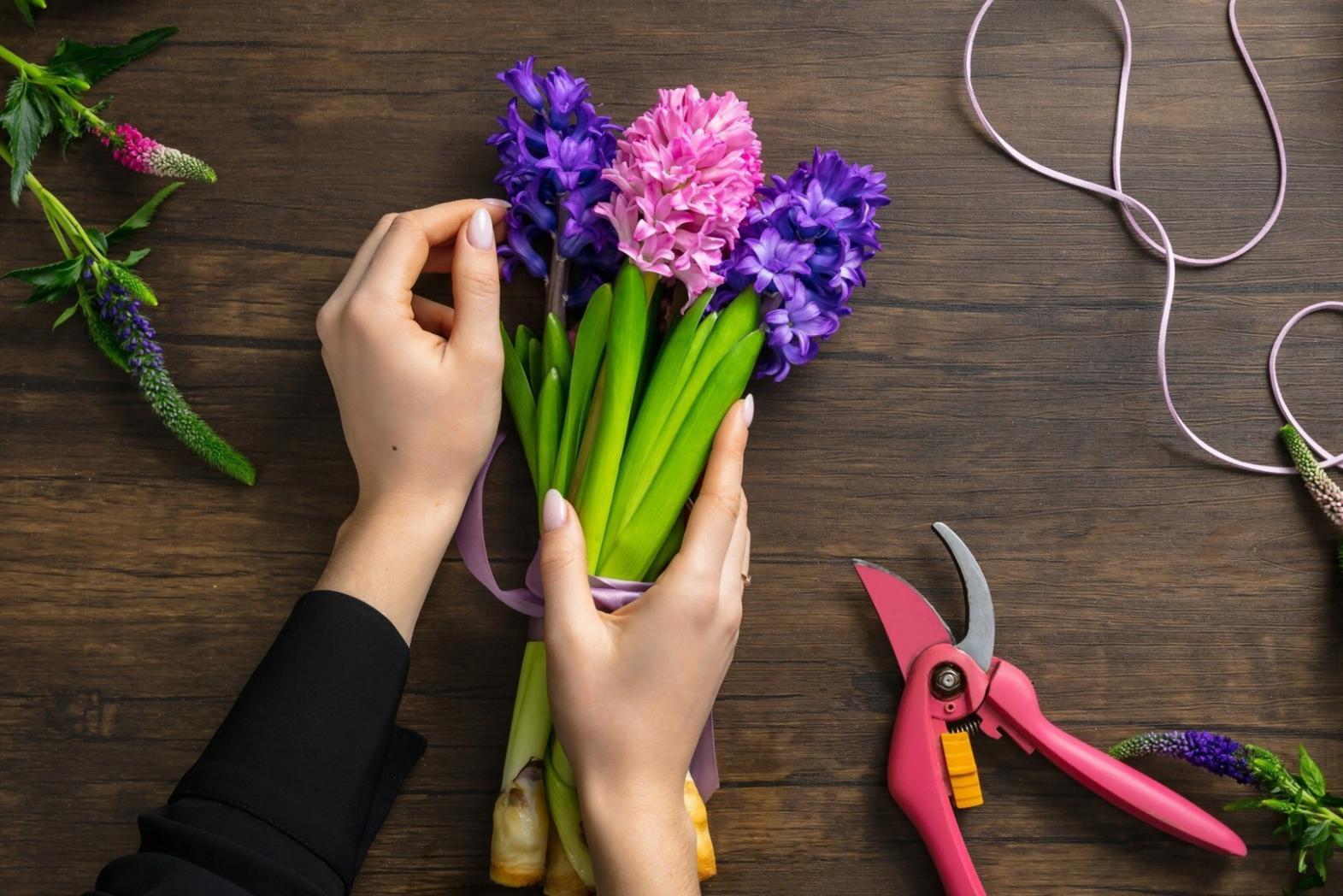
Each session assumes you completed the previous one, so techniques layer rather than repeat.
Instructors source stems from the same suppliers participants use. When a popular variety becomes scarce or a new hybrid enters the market, it appears in the next session.
Guest florists join quarterly to demonstrate specialised techniques — from wiring delicate orchids to constructing large-scale installations. These sessions are recorded and added to the course library.
Participants who complete the full programme are invited to submit their work for review in an annual showcase, which is shared with local event planners and floral studios looking for emerging talent.